A-Z Newsroom
Daily industry insights for property & facility professionals
Thousands of Happy, Satisfied Customers
Trusted across all 64 facility trades nationwide — updated daily

From Breakdown to Breakthrough: The AI Revolution in Facility Maintenance
Modern facility management is undergoing a seismic shift as AI-driven predictive maintenance replaces outdated reactive models. By leveraging real-time performance data, managers can now prevent failures before they occur while maintaining rigorous regulatory compliance.
Oct 19, 2026 • 0 views

The Toolbelt Generation: Navigating the Surge in Skilled Trades Demand
The skilled trades sector is experiencing unprecedented growth as Gen Z gravitates toward stable, AI-proof careers. However, a significant workforce gap remains, challenging facility managers to innovate their recruitment and retention strategies.
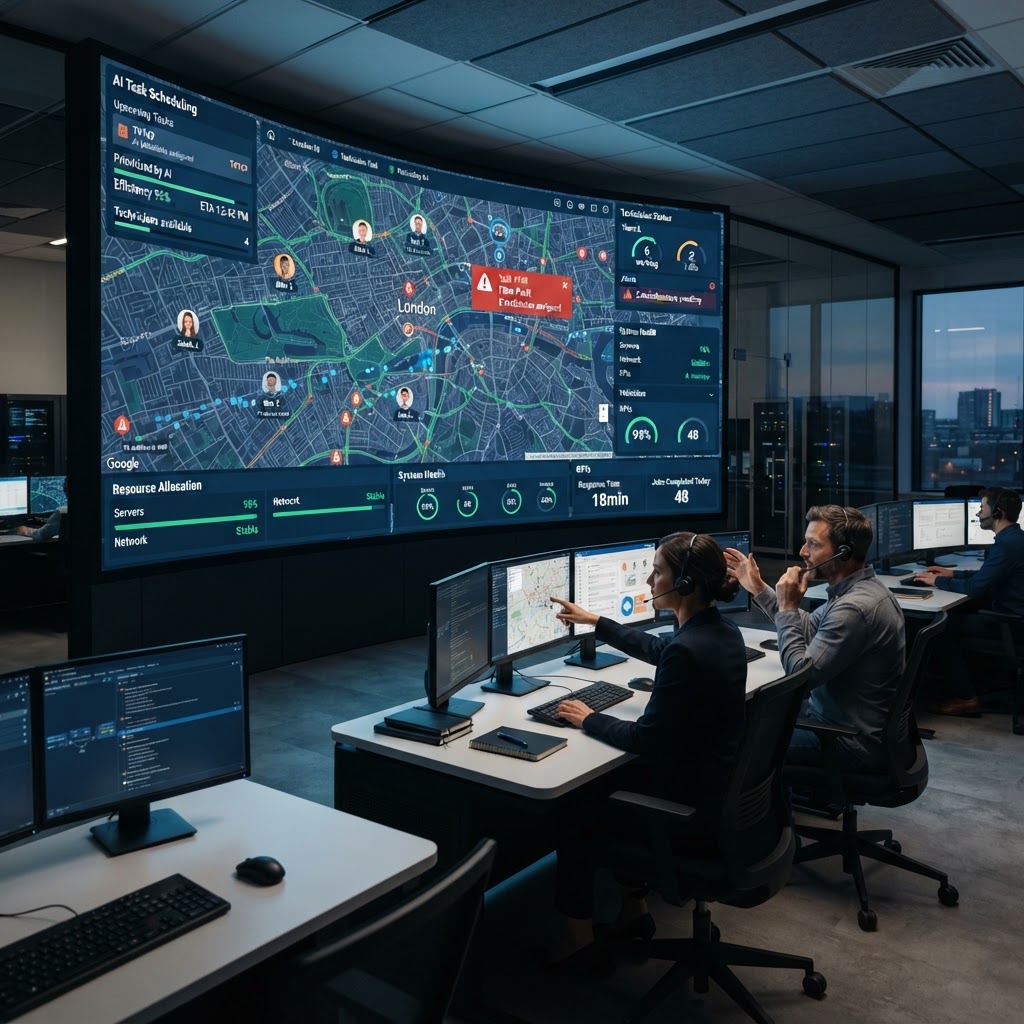
The AI Revolution: Scaling Your Facility Service Business Through Intelligent Dispatch
Modern field service businesses are increasingly turning to AI-driven dispatch platforms to eliminate scheduling inefficiencies and drive significant year-over-year revenue growth. By automating complex technician matching and route optimization, firms are achieving higher utilization rates and superior customer satisfaction levels.

The Compliance-First Era: Transforming Tenant Screening in 2026
As rental regulations become more complex, landlords are turning to automated screening platforms to ensure fair housing compliance and mitigate legal risk. By adopting standardized, data-driven workflows, property owners can streamline their operations while significantly reducing the likelihood of costly evictions.
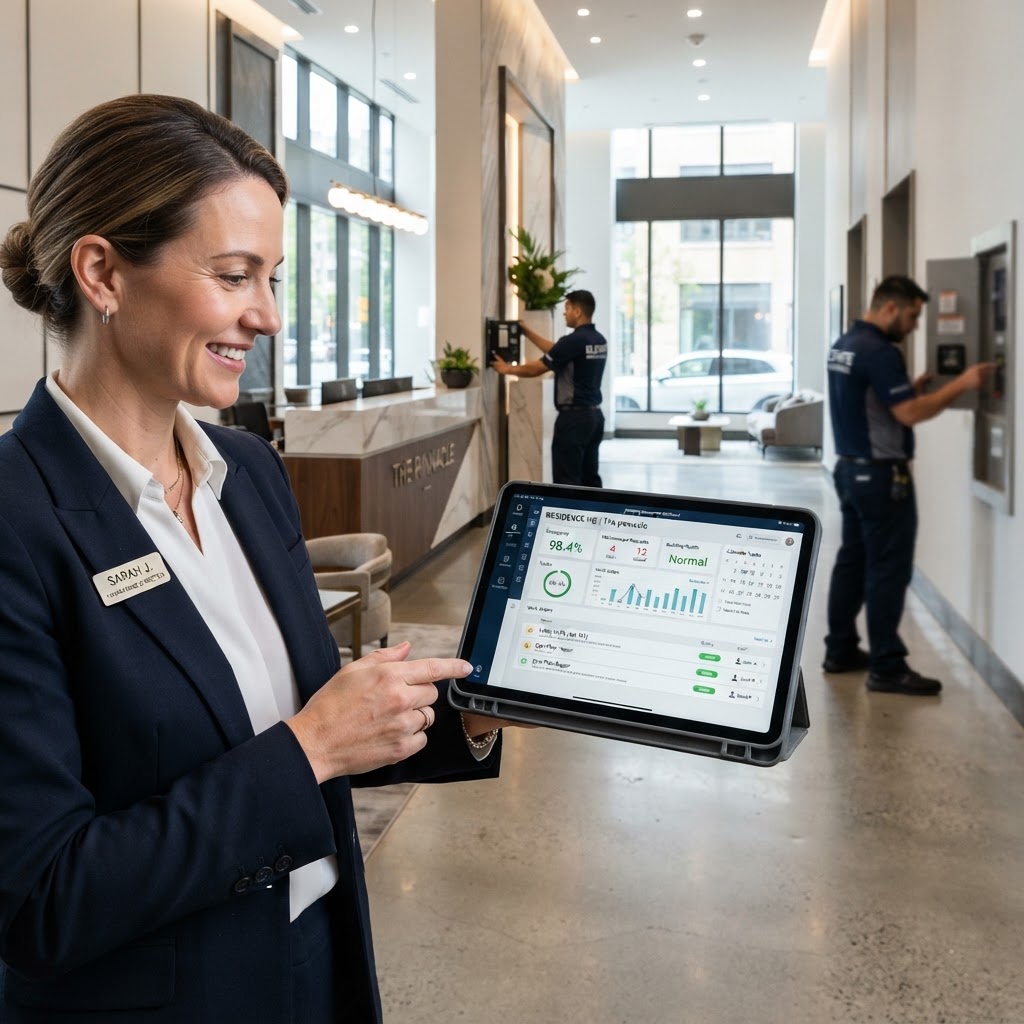
The Shift to Experience-First Tenant Retention: Why Speed is the New Currency
As tenant turnover costs continue to soar, property managers are pivoting from location-based strategies to experience-focused operations. Data shows that rapid maintenance resolution is now the primary driver of renewals in a competitive rental market.
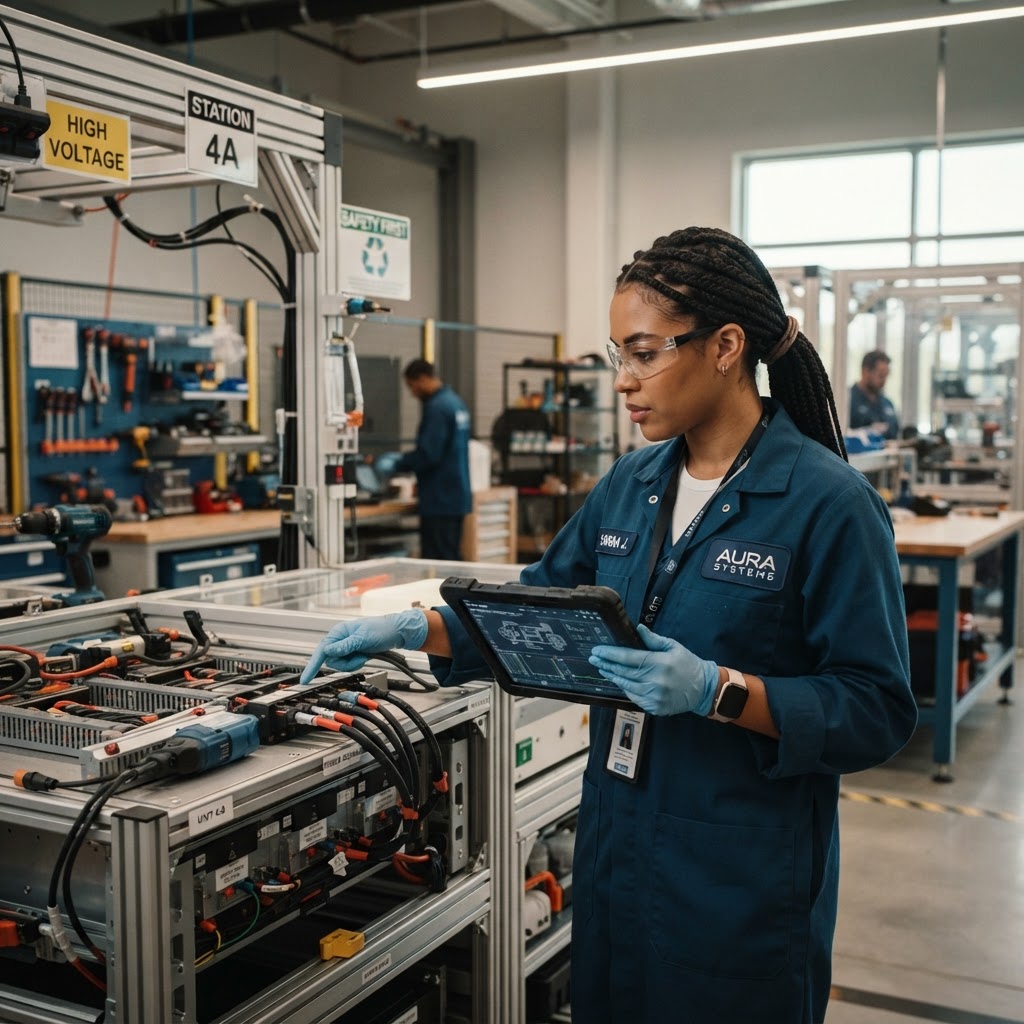
The Toolbelt Generation: Bridging the 1.7 Million Worker Gap in Skilled Trades
As the U.S. faces a critical need for 1.7 million new skilled workers annually, a surge in Gen Z interest offers a path toward recovery. However, high attrition rates in apprenticeship programs underscore the urgent need for better integration, training, and technological support.

The Upstream Effect: How Retail Giants Are Reshaping Facility Management
Walmart's recent launch of 'Upstream Facility Services' signals a transformative shift as corporate giants leverage internal infrastructure to compete with traditional facility managers. This evolution mandates that independent service providers modernize their operations to remain competitive in an increasingly automated landscape.
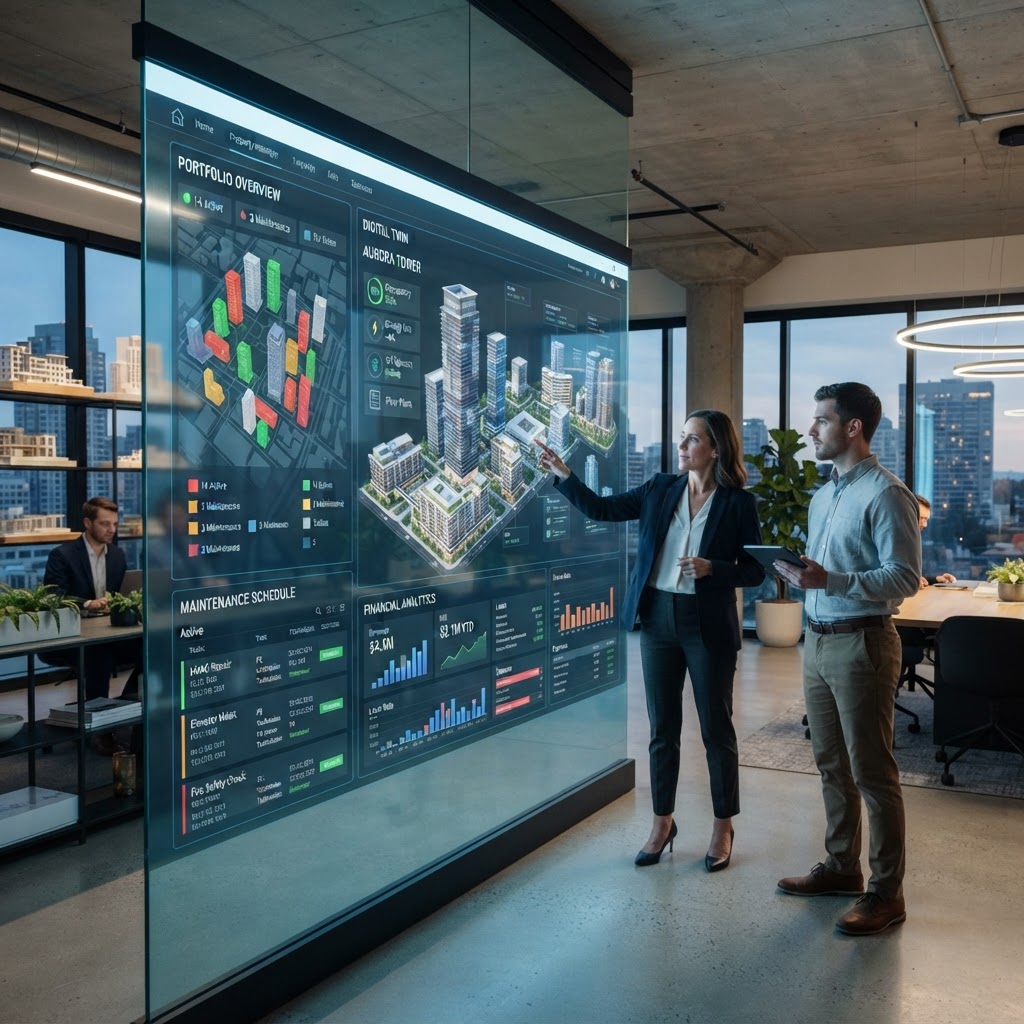
The Digital Transformation: Why Integrated Platforms Are Redefining Landlord Success
Modern property management is evolving from fragmented manual tasks to unified, AI-driven workflows that streamline everything from tenant screening to building maintenance. By consolidating operations, property owners can reduce administrative overhead while significantly lowering legal and operational risks.
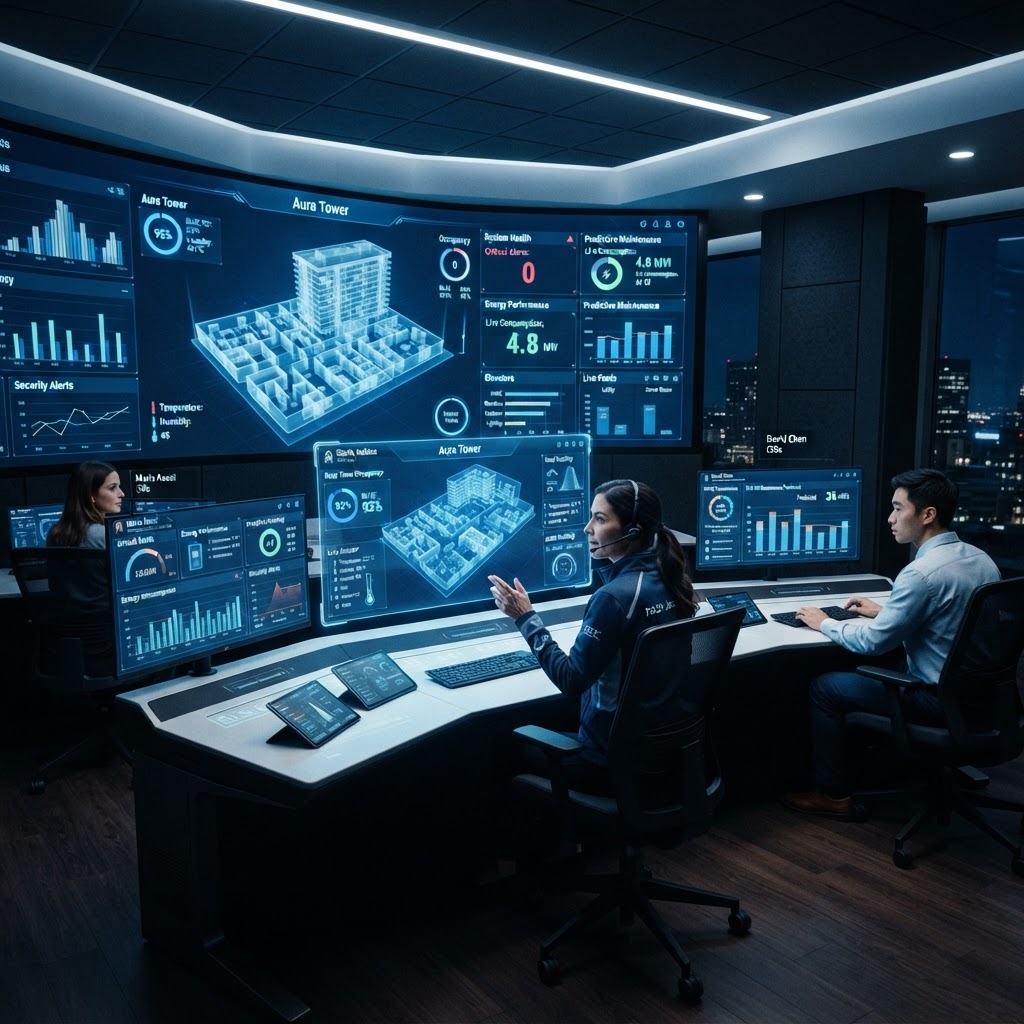
The Intelligent Edge: Why AI-Driven Predictive Maintenance is Reshaping Facility Management
Modern facility management is undergoing a seismic shift as AI and machine learning transition building operations from reactive repairs to predictive strategies. By leveraging real-time data, facility managers are now identifying equipment failures before they occur, drastically reducing downtime and operational expenditures.

The Experience-First Mandate: Why Modern Tenant Retention Hinges on Operational Excellence
In an increasingly competitive rental market, property managers are finding that superior maintenance responsiveness and transparent communication are the primary drivers of tenant loyalty. By leveraging advanced technology to streamline facility management, operators can significantly reduce turnover costs and enhance long-term asset value.
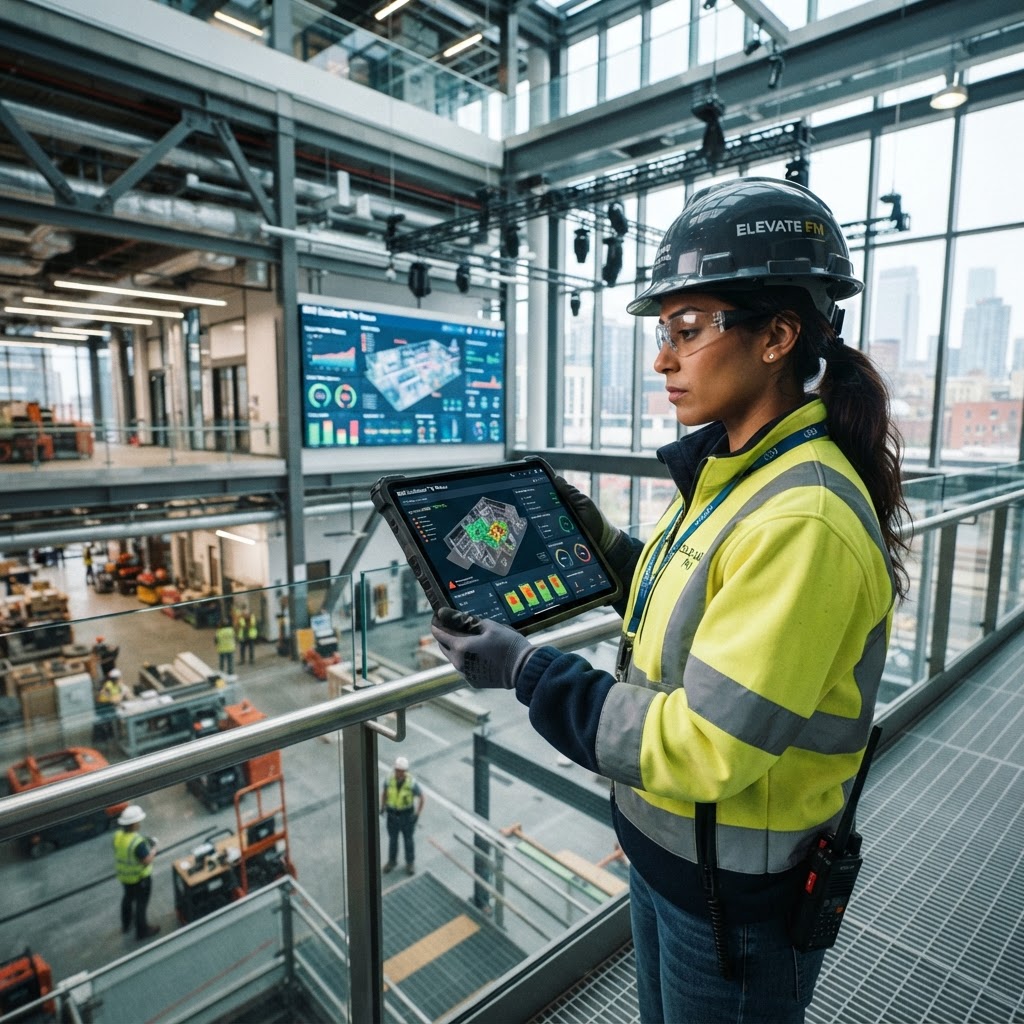
Closing the Gap: The Multi-Trillion Dollar Opportunity in Skilled Trades
The U.S. faces a staggering skilled labor shortage with 1.7 million annual openings projected through 2035, creating a unique economic landscape for career advancement. Industry professionals are discovering that mastering these essential trades offers higher earning potential and unprecedented job security.
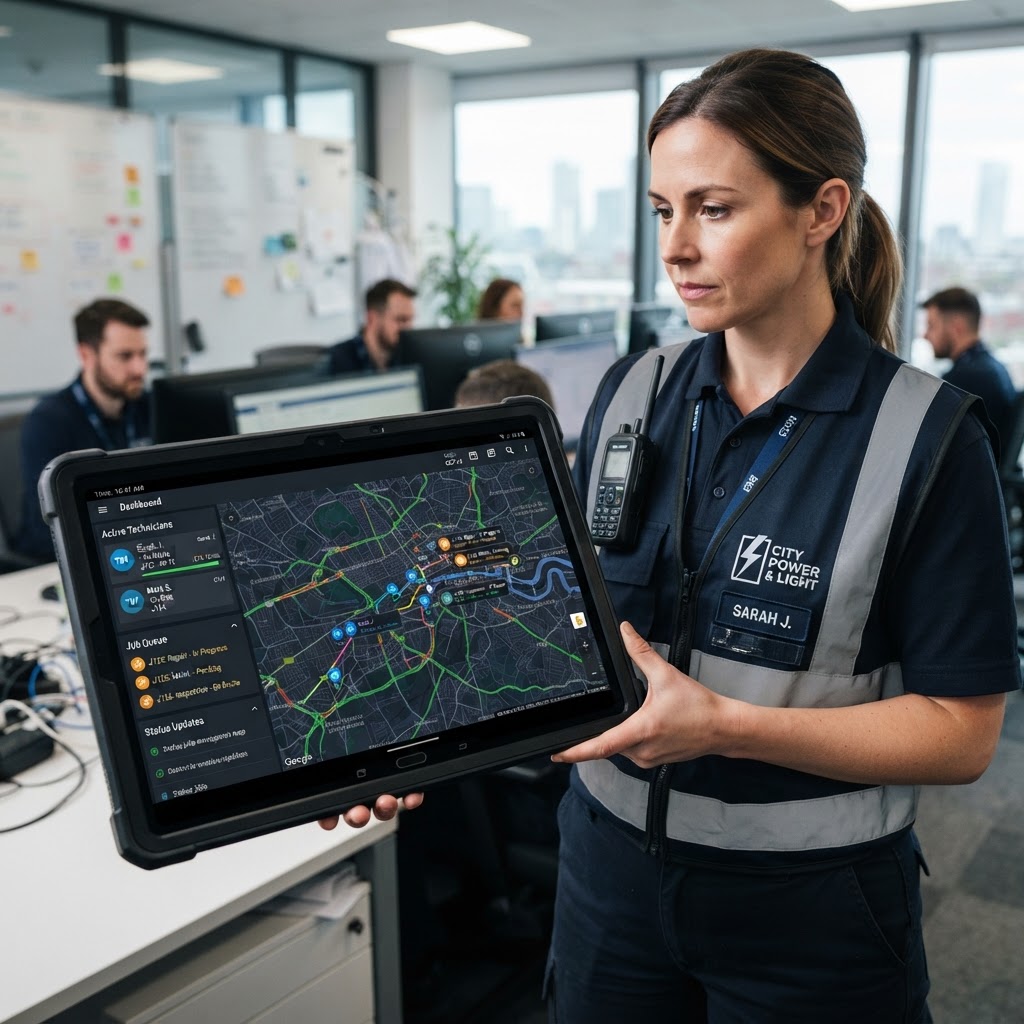
The Intelligence Revolution: How AI-Driven Dispatch is Redefining Facility Management
Modern field service businesses are increasingly turning to AI-powered dispatch platforms to eliminate operational gaps and maximize technician productivity. By automating complex routing and scheduling, companies can transform their profitability while significantly improving customer satisfaction.

Predictive Power: How AI is Revolutionizing Rental Market Strategy
Property managers are moving beyond historical data by leveraging AI to forecast rental demand and automate complex operational tasks. This shift enables proactive decision-making that optimizes occupancy and maximizes net operating income.
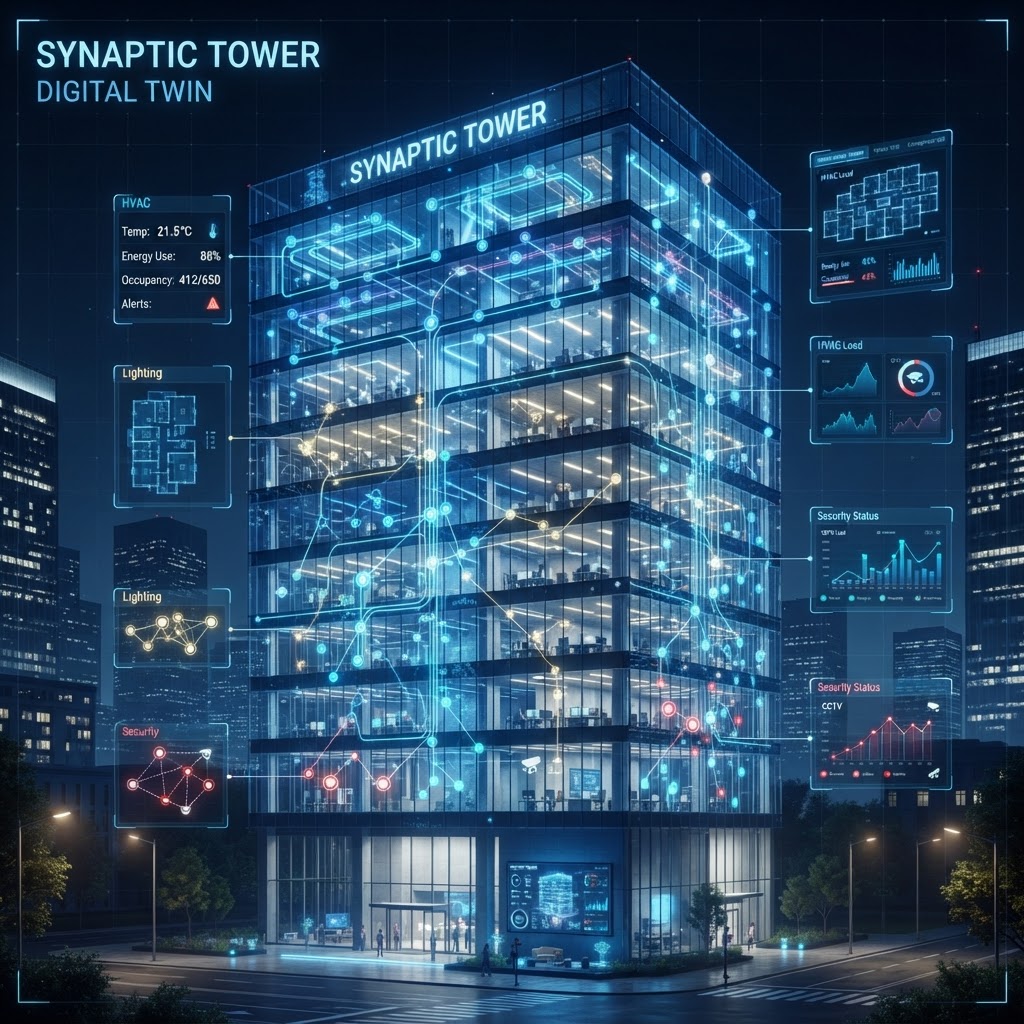
The Era of Unified Intelligence: Why Siloed Building Management is Becoming Obsolete
Modern facility management is undergoing a radical transformation as buildings abandon fragmented systems in favor of unified, AI-driven automation. This integration enables property managers to shift from reactive maintenance to proactive performance optimization, driving significant cost savings.
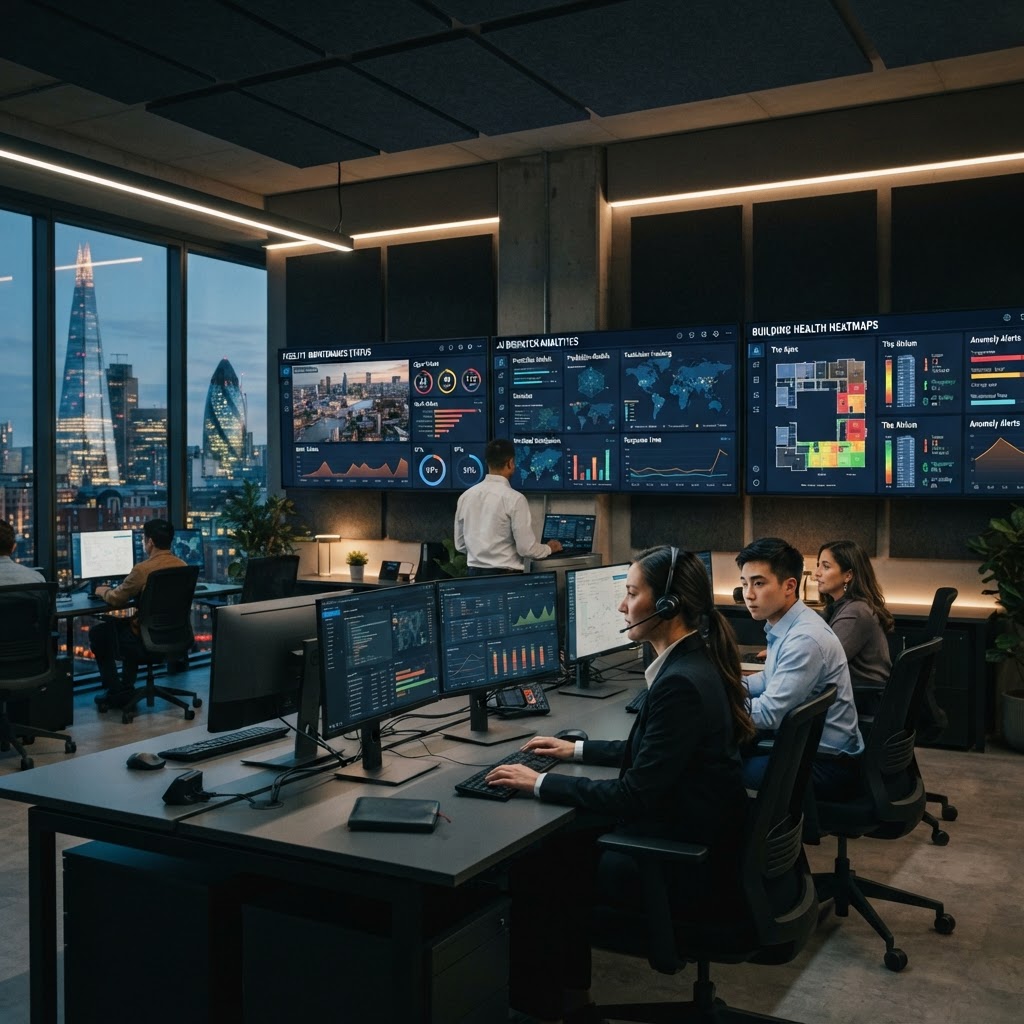
Bridging the Maintenance Expectation Gap: The Key to Modern Tenant Retention
Recent industry data highlights a widening rift between tenant expectations and property management response times. By leveraging advanced dispatch technology, managers can close this gap to drive significantly higher lease renewal rates.
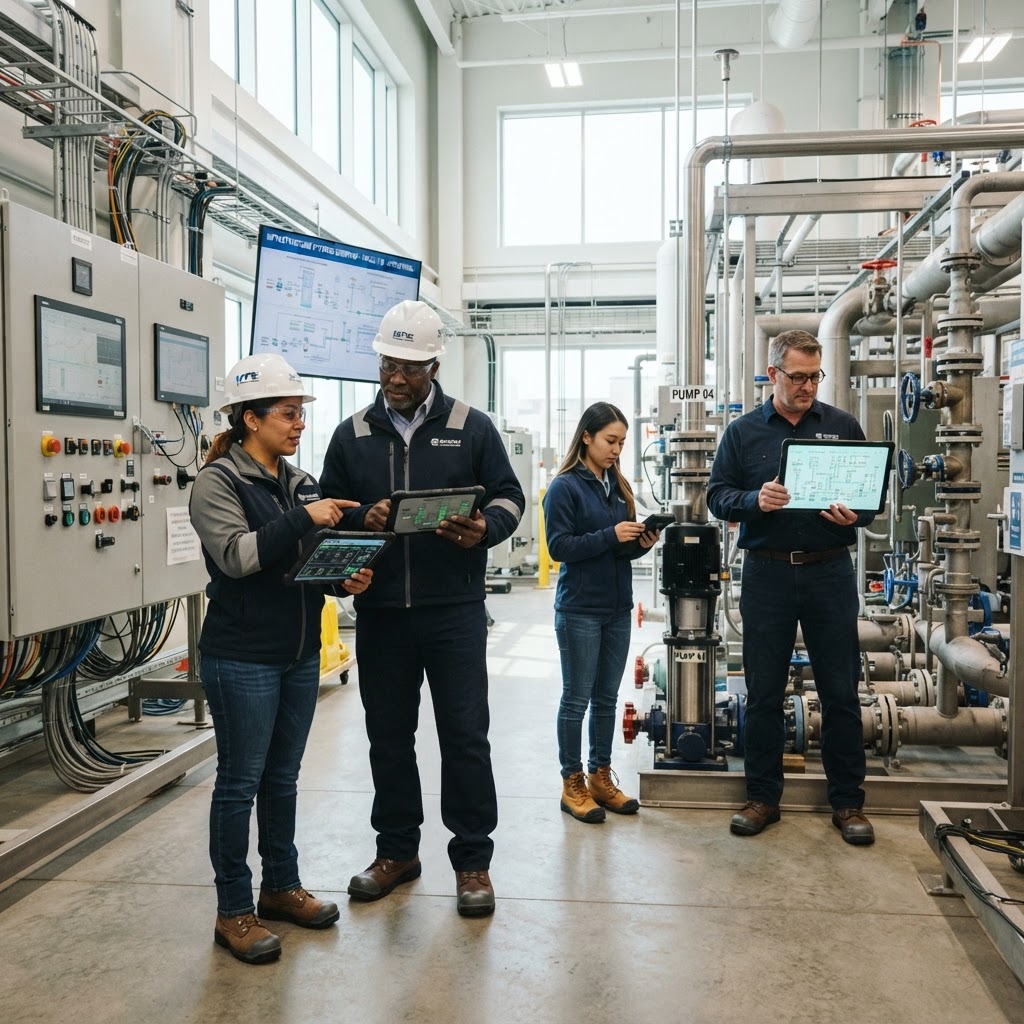
Closing the Chasm: How the Skilled Trades Shortage is Redefining Technician Career Potential
With a projected need for 1.7 million new skilled workers annually by 2035, the current labor deficit is creating unprecedented opportunities for those in the trades. Industry leaders and technology innovators are now mobilizing to bridge this gap through modern training and smarter deployment strategies.
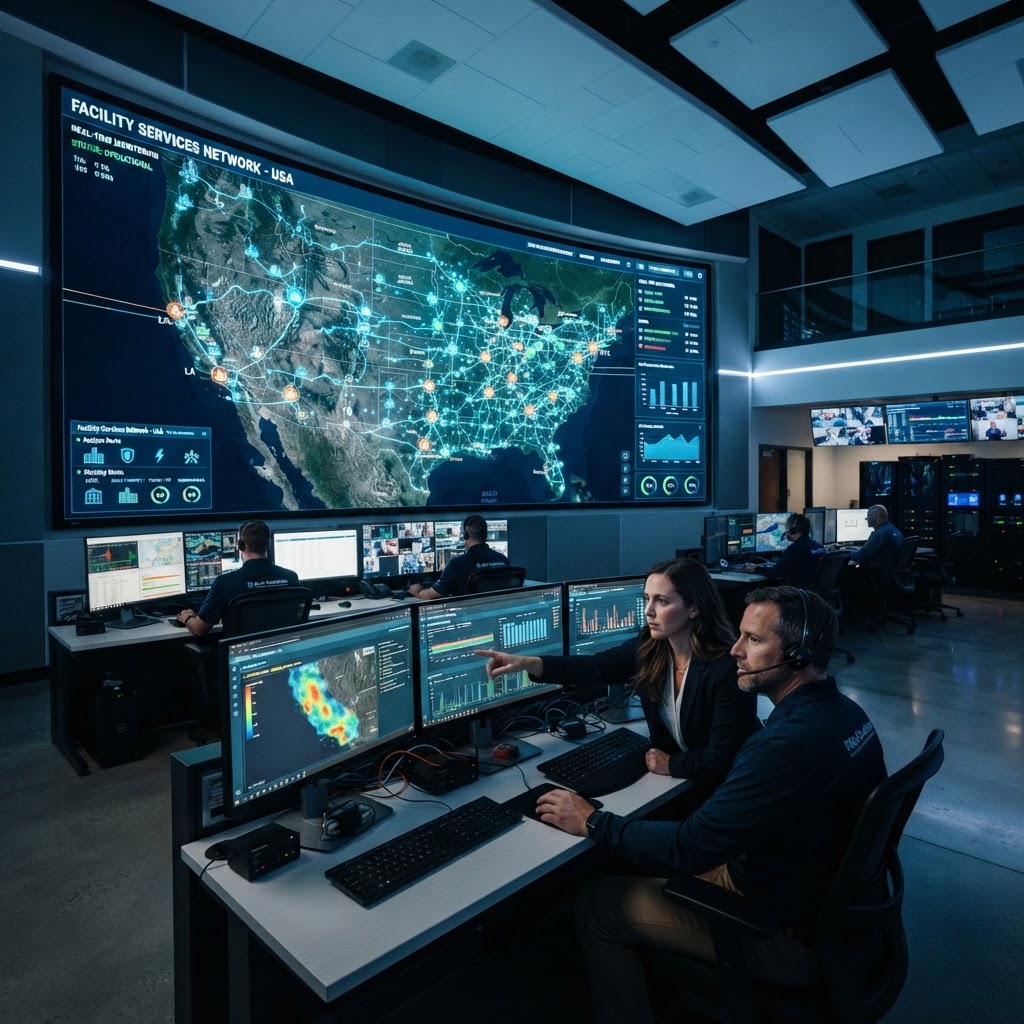
Scaling Without Borders: How Instant Contractor Networks Are Transforming Facility Management
The launch of 'Dispatch Direct' is revolutionizing how service businesses scale by providing immediate access to over 40,000 pre-qualified contractors. This shift empowers firms to expand their operational reach instantly, bypassing the need for complex internal infrastructure or lengthy onboarding cycles.
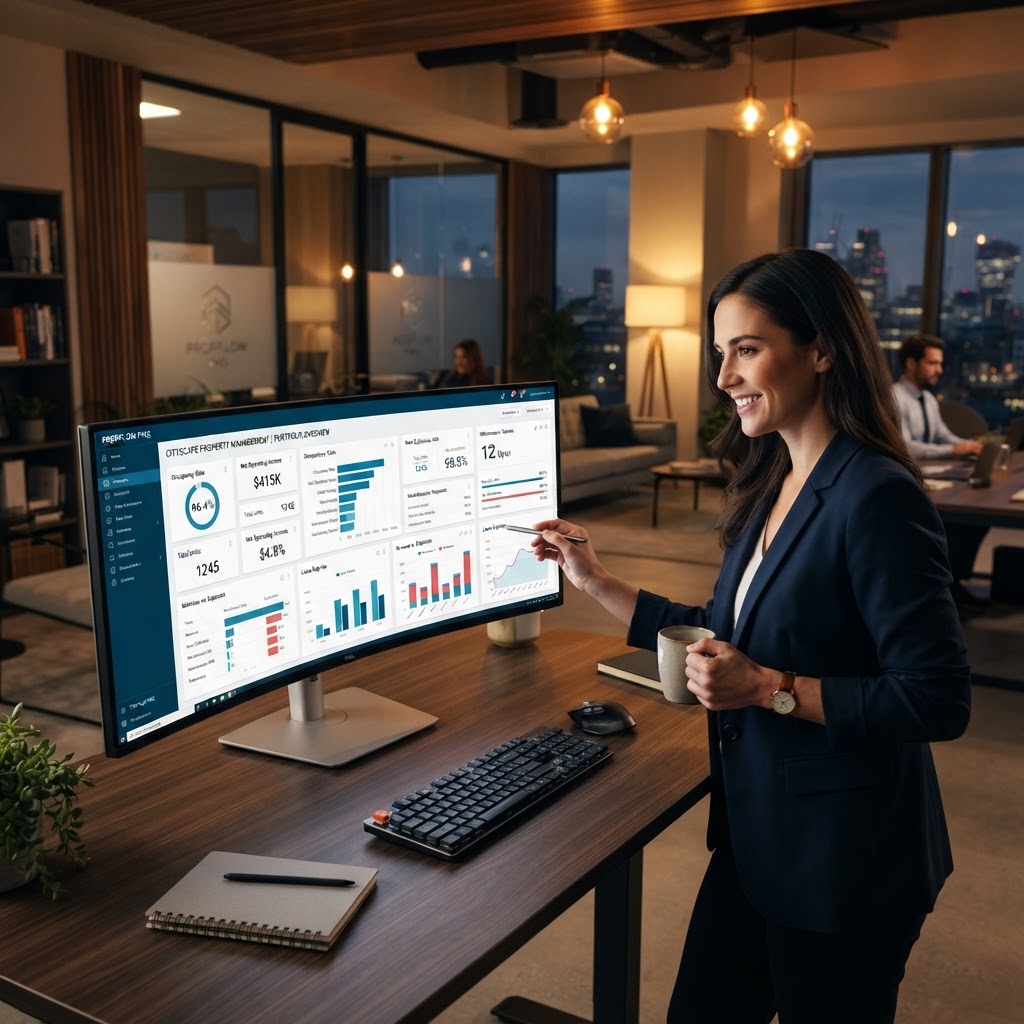
The Tenant Vetting Advantage: How Formal Screening Drives Financial Stability
Recent industry data reveals that rigorous tenant screening reduces payment delays by 17 days, directly boosting portfolio cash flow. By leveraging professional verification processes, landlords can mitigate eviction risks and ensure consistent financial performance in an evolving rental market.

The Digital Twin Revolution: Transforming Facilities Through AI and Predictive Maintenance
Digital twins and AI-driven automation are enabling facility managers to transition from reactive repairs to precision-based proactive maintenance. By integrating real-time system data, these tools are optimizing building performance while effectively bridging the gap caused by a shrinking technician labor pool.

The Agentic Shift: How AI is Transforming Property Operations in 2026
The property management industry is undergoing a paradigm shift as Agentic AI automates complex administrative workflows and leasing tasks. By bridging the digital experience gap, managers are moving away from manual oversight toward a more strategic, relationship-focused model.

The New Industrial Revolution: Why Specialized Trade Careers are Skyrocketing
Data-driven demand for robotics technicians and HVAC engineers is reshaping the modern workforce as infrastructure projects surge. With hiring times lengthening, skilled professionals who embrace digital tools are positioned for unprecedented career growth.

Scaling Without Borders: The New Era of Zero-Integration Contractor Management
The launch of 'Dispatch Direct' marks a significant shift in field service operations by granting businesses instant access to 40,000 pre-qualified contractors. This streamlined approach enables rapid geographic expansion while eliminating the traditional technical barriers associated with managing independent service networks.
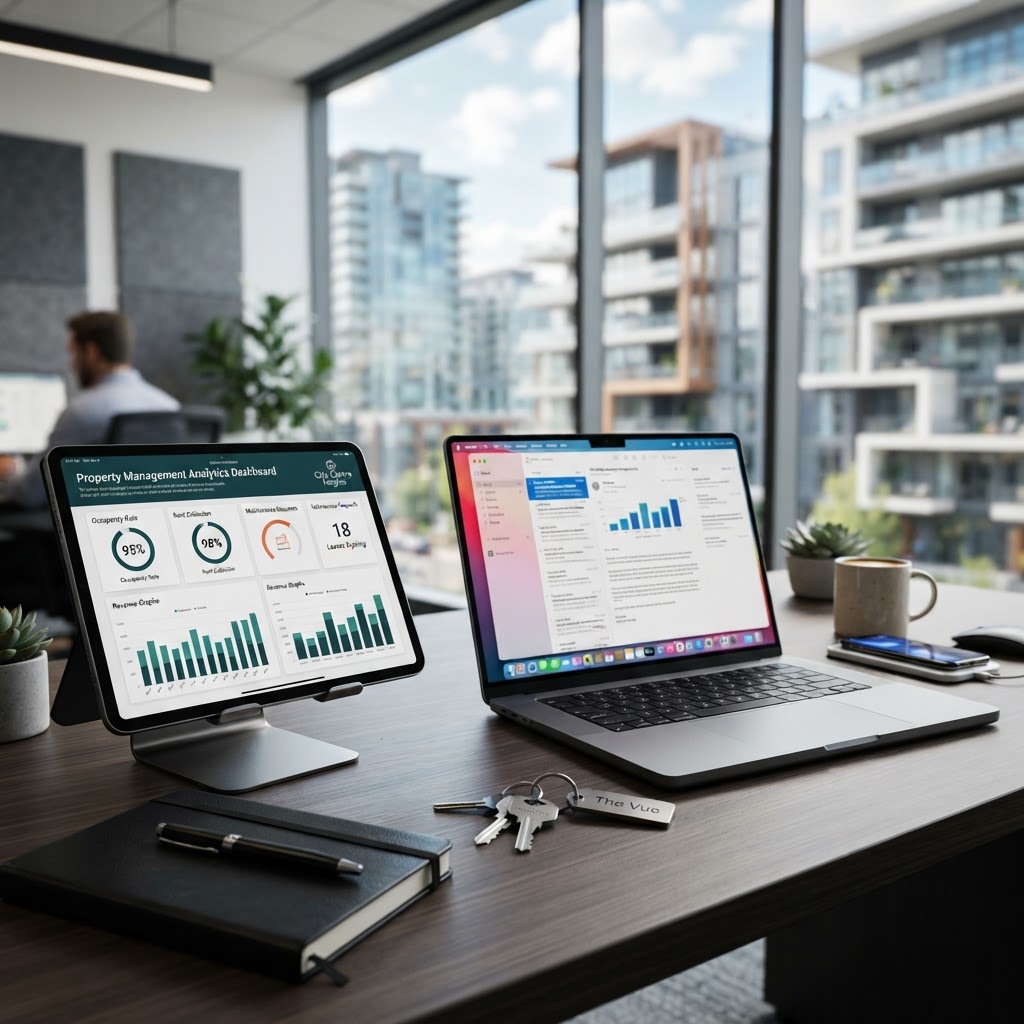
The New Standard: Why Rigorous Tenant Screening Has Become a Landlord Imperative
A recent industry survey reveals that a vast majority of landlords now prioritize exhaustive background checks to secure long-term property stability. As the rental market grows more complex, landlords are leveraging data-driven processes to navigate compliance and mitigate operational risks.

The ROI of Intelligence: Why AI-Driven Energy Optimization is the Future of Facility Management
Enterprises are turning to AI-driven smart building technologies to slash energy costs and streamline compliance reporting. By shifting from reactive maintenance to data-backed proactive strategies, facility managers can unlock significant operational savings and sustainability gains.

The Era of Agentic AI: How Autonomous Systems are Redefining Property Management
Property management has entered a new phase where agentic AI systems autonomously handle leasing, accounting, and communication tasks. This shift allows property managers to transition from manual administration to high-value relationship building.
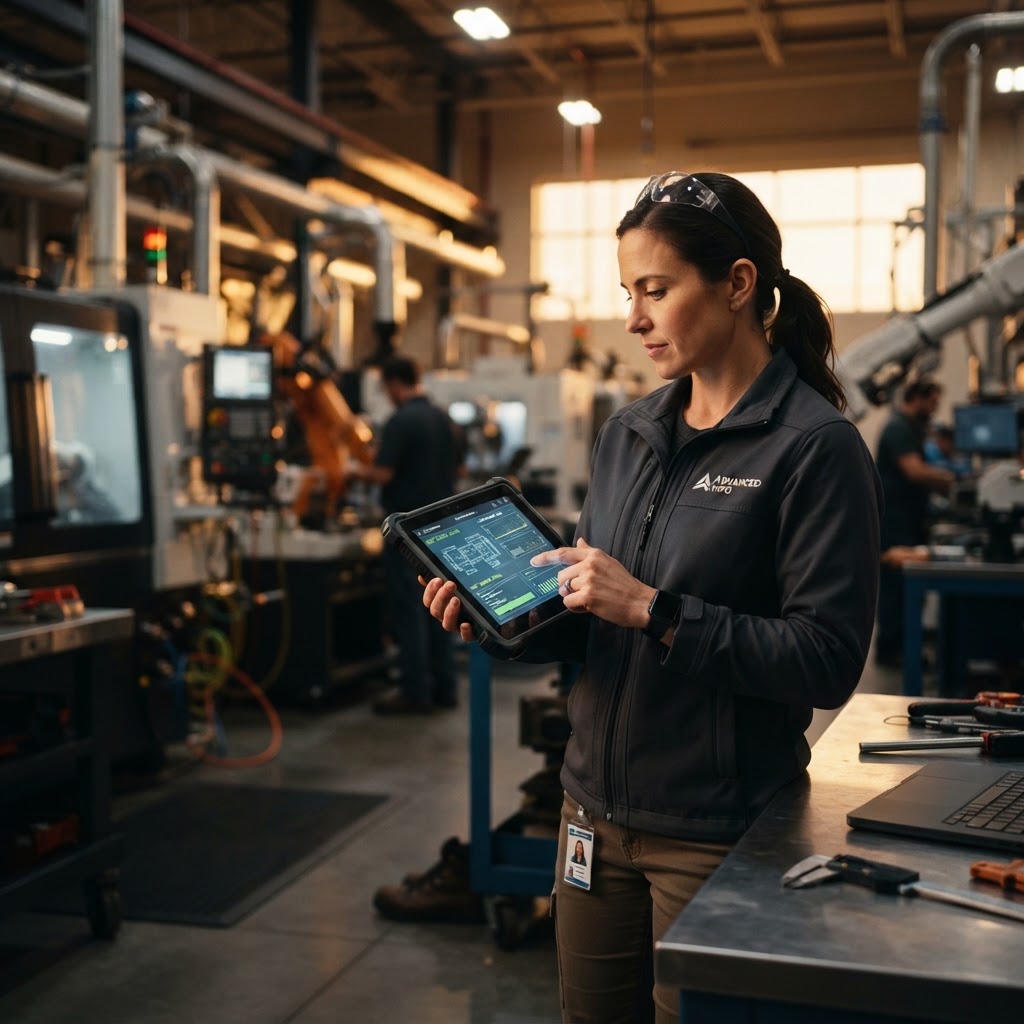
The Skilled Trades Renaissance: Leveraging the Growing Labor Gap for Career Advancement
The U.S. faces a critical need for 1.7 million new skilled trades workers annually, creating unprecedented leverage for professionals in the field. This shift is driving significant wage growth and professional opportunities across all 64 facility trade sectors.
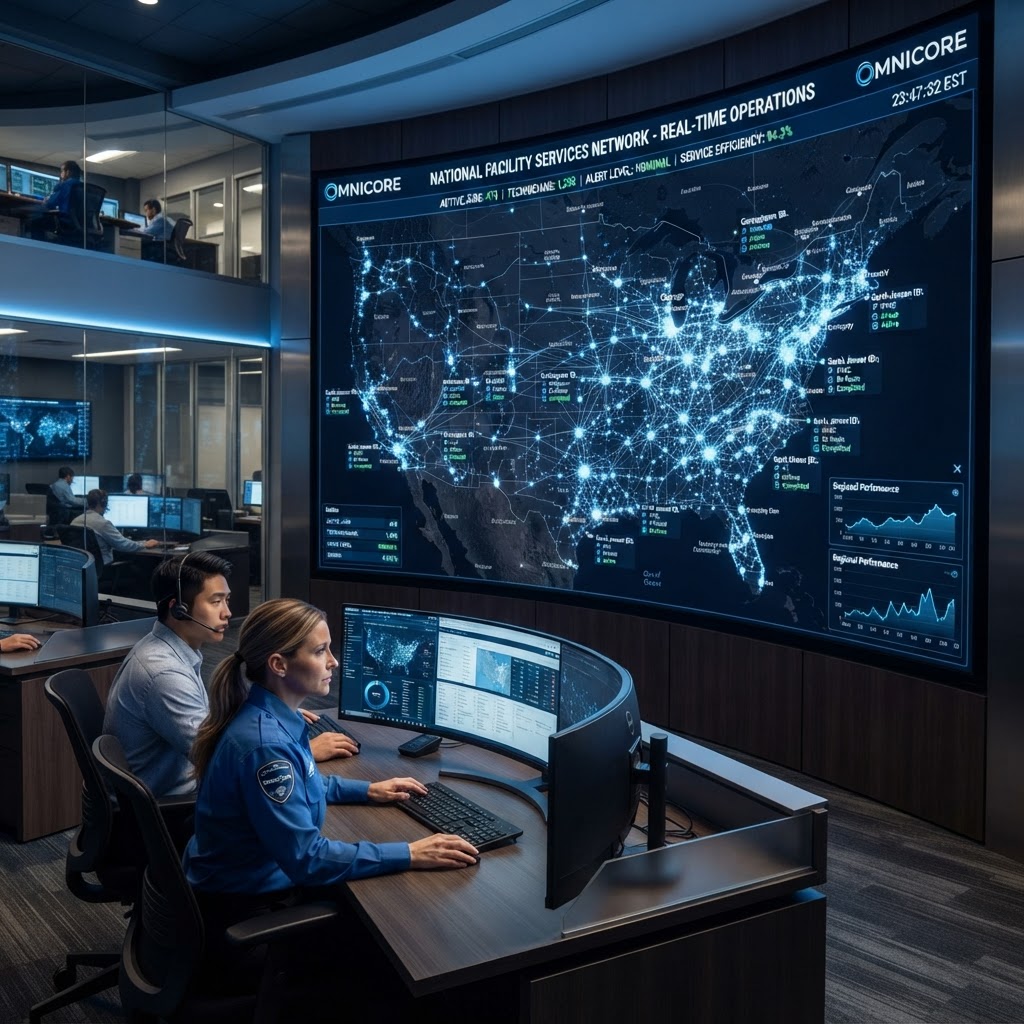
Scaling Without Limits: The New Era of Zero-Integration Contractor Management
The recent launch of Dispatch Direct democratizes access to over 40,000 pre-qualified contractors, allowing facility managers to scale operations instantly without complex IT infrastructure. This shift highlights a growing industry trend toward plug-and-play operational agility.

The New Standard: Why Rigorous Tenant Screening is Essential for Modern Landlords
A recent industry survey highlights that meticulous tenant screening has become the baseline for rental success in a challenging economic climate. Landlords who prioritize deep background checks and income verification are better positioned to protect their cash flow and minimize legal risks.

The Intelligence Revolution: How AI is Redefining Facility Energy Efficiency
As building mandates tighten, industry leaders are turning to AI-driven automation to slash energy costs and simplify complex sustainability reporting. While 61% of professionals prioritize smart tech, many are still leaving significant savings on the table by ignoring HVAC optimization.

The Rise of Agentic AI: How Autonomous Tech is Redefining Property Management
As property management evolves into a high-tech sector, agentic AI is taking over routine administrative tasks to boost operational efficiency. This shift allows managers to pivot from manual data entry toward high-level strategy and resident retention.
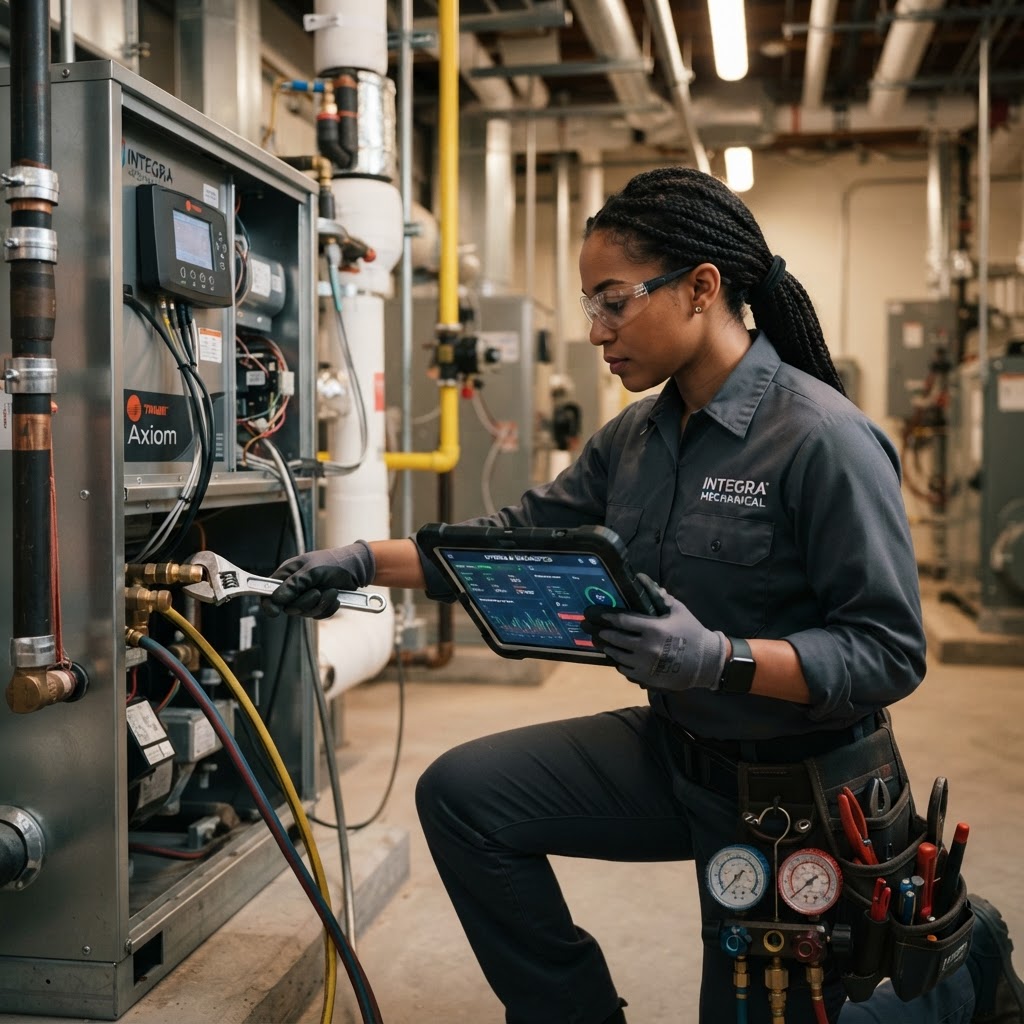
The Great Workforce Shift: Why the Skilled Trades Gap is Your Biggest Career Opportunity
With a projected need for 1.7 million new skilled workers annually through 2035, the current labor shortage has reached a critical inflection point. This supply-demand imbalance is transforming the trades into one of the most lucrative and stable career paths in the modern American economy.
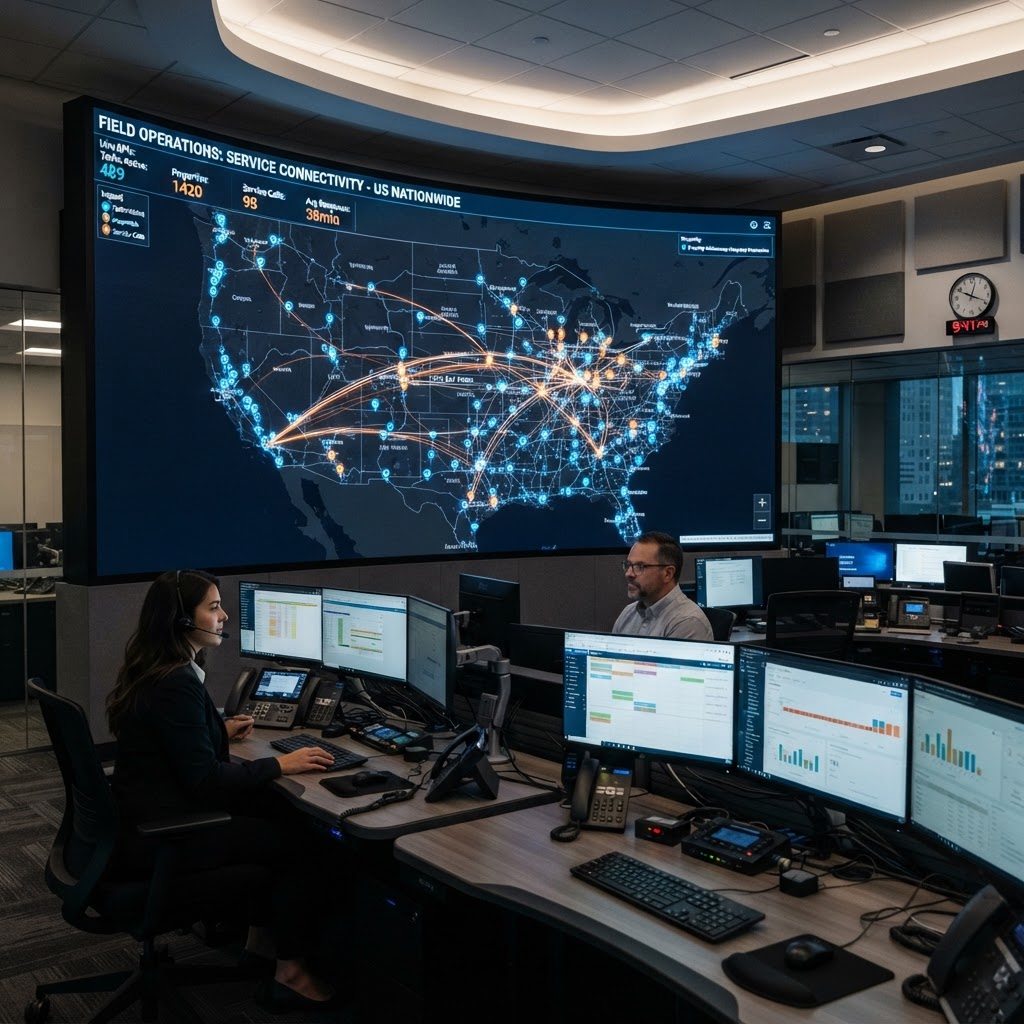
Scaling Without Friction: How Zero-Integration Platforms are Transforming Field Service Operations
The emergence of zero-integration contractor networks is democratizing access to skilled labor for service businesses of all sizes. By removing technical barriers, these platforms allow firms to scale operations and meet fluctuating demand with unprecedented speed.

The ROI of Rigor: How Formal Screening Secures Consistent Cash Flow
Recent industry data reveals that formal tenant screening correlates with a 17-day improvement in rent collection speed and significantly higher on-time payment rates. By prioritizing robust vetting processes, landlords can effectively de-risk their investments and ensure long-term financial stability.

The AI Imperative: Balancing Predictive Power with the Skilled Labor Gap
While 60% of organizations have embraced AI-driven maintenance to boost operational efficiency, a critical shortage of tech-savvy talent threatens to stall progress. Industry leaders are now turning to unified platforms to bridge the gap between complex building technology and day-to-day facility management.
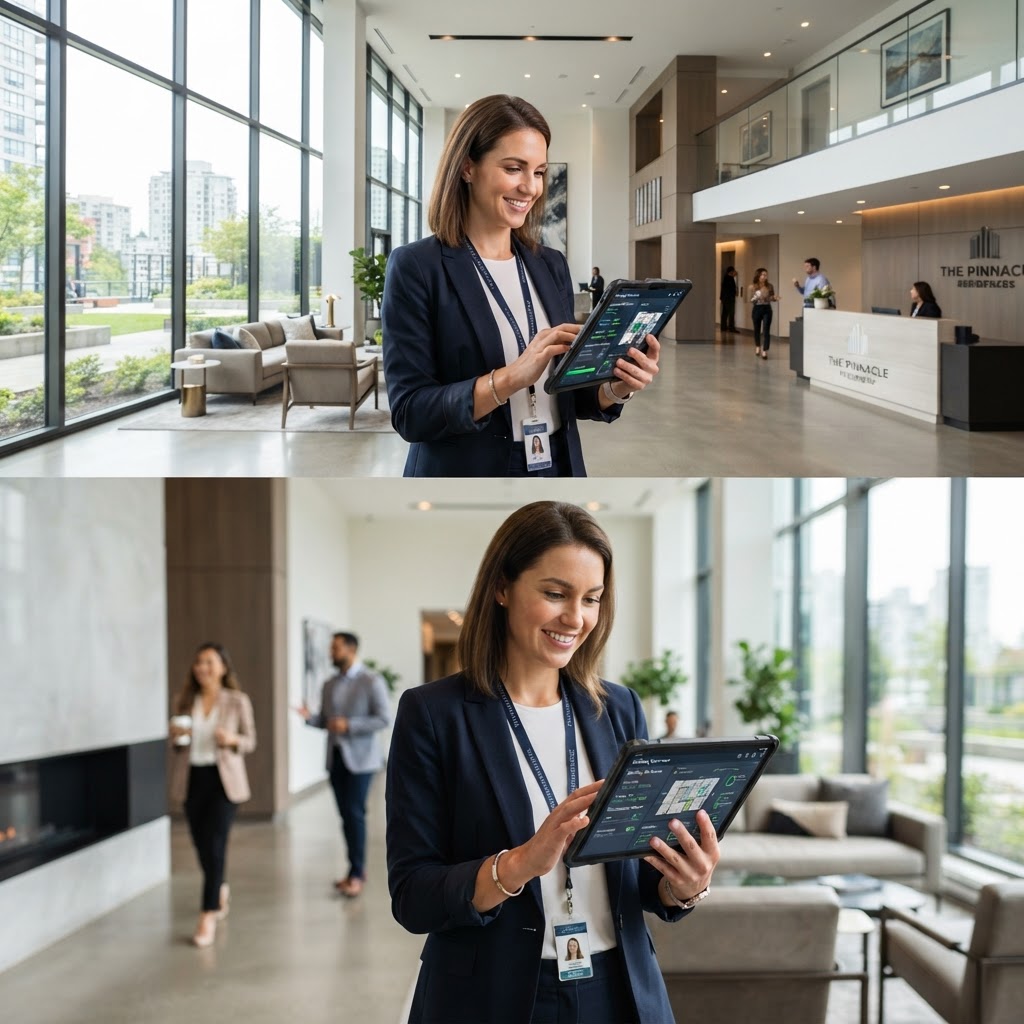
The Experience-First Revolution: How Property Managers Are Winning the Retention War
With 60% of tenant turnover now considered preventable, property managers are pivoting from location-centric models to experience-first strategies. By prioritizing responsive maintenance and personalized communication, managers are significantly boosting lease renewal rates and long-term profitability.

The Great Talent Crunch: Navigating the Massive Surge in Skilled Trades Demand
The U.S. faces a critical shortfall of 1.7 million skilled trades workers annually, creating an unprecedented window of opportunity for career-seekers. This widening gap is reshaping the industry landscape, emphasizing the need for advanced digital tools and modernized workforce solutions.
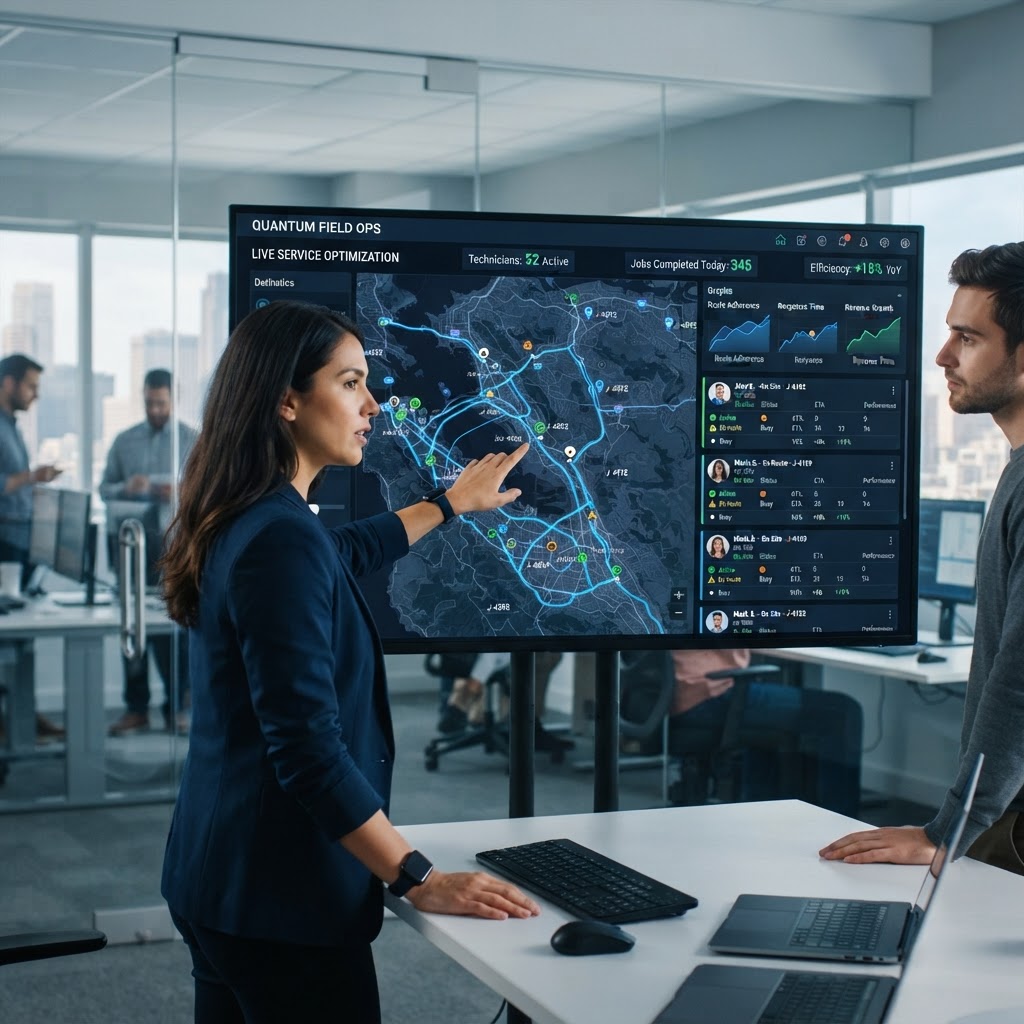
The Intelligence Edge: Transforming Field Operations with AI-Driven Dispatch
As modern service businesses face tightening margins, AI-powered dispatch systems are becoming essential to maintain competitive efficiency. New industry data reveals that organizations leveraging smart routing and automated scheduling are significantly outperforming peers in operational speed and technician utilization.

Navigating California’s New Tenant Screening Portability Laws: What Landlords Must Know
California’s AB 2559 introduces a standardized 'portable' screening report system that mandates landlords accept shared consumer reports to streamline the rental application process. Property owners and managers must now update their compliance workflows to align with these 2025 regulatory changes while ensuring rigorous tenant vetting.

The AI Revolution: Solving the Facility Management Labor Gap with Predictive Intelligence
As 60% of organizations adopt AI to preempt infrastructure failures, facility managers are increasingly turning to technology to mitigate the ongoing skilled labor shortage. This shift is redefining operational efficiency, enabling teams to maintain complex environments despite the challenges of hiring technical expertise.

The Experience-First Revolution: Redefining Tenant Retention in 2024
As 43% of renters consider moving annually, property managers are shifting from location-centric models to experience-first strategies to boost long-term retention. By integrating advanced technology and seamless maintenance, managers are turning simple leases into holistic living experiences.
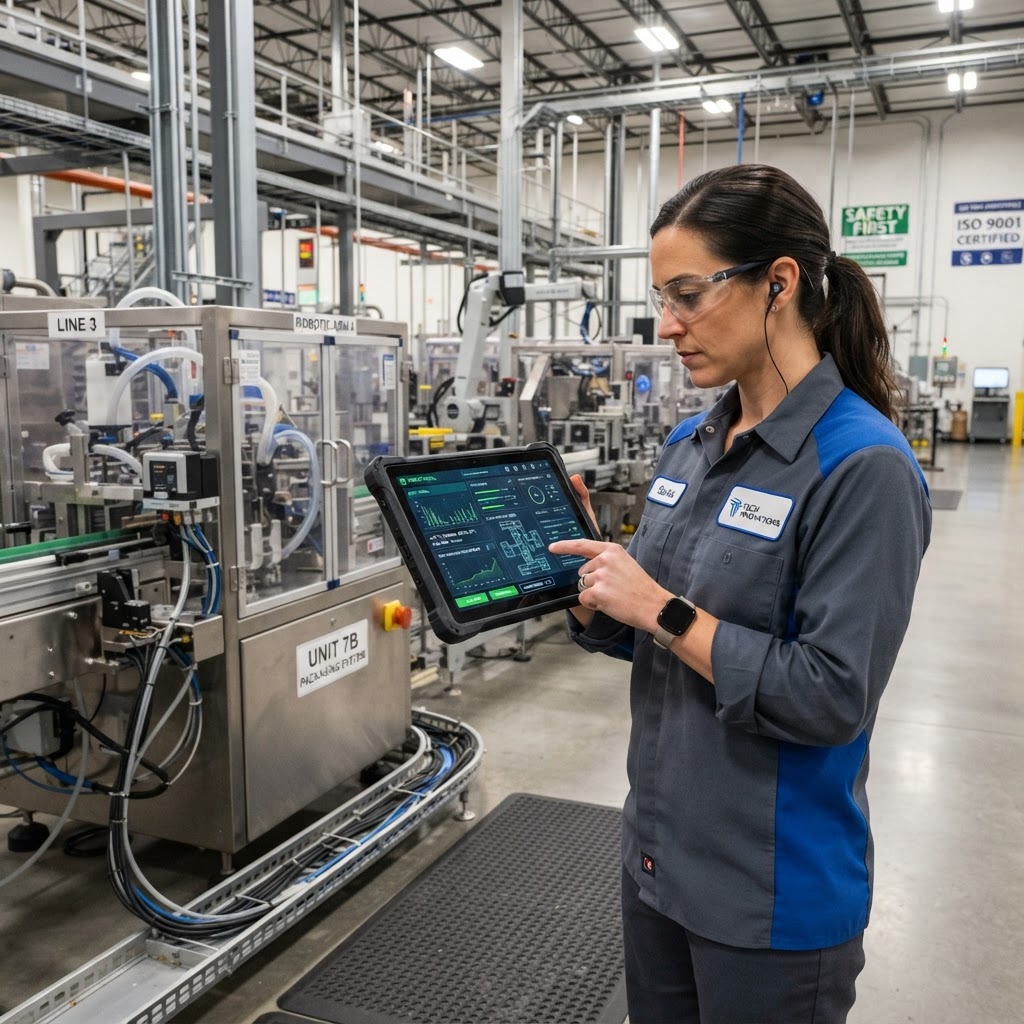
Closing the Gap: Navigating the Skilled Trades Crisis and Future-Proofing Your Career
The U.S. faces a looming deficit of 2.1 million skilled trades workers by 2030, creating both a significant economic threat and a unique opportunity for career advancement. As industry demand skyrockets, forward-thinking professionals are leveraging new technology to bridge the gap and maximize their earning potential.
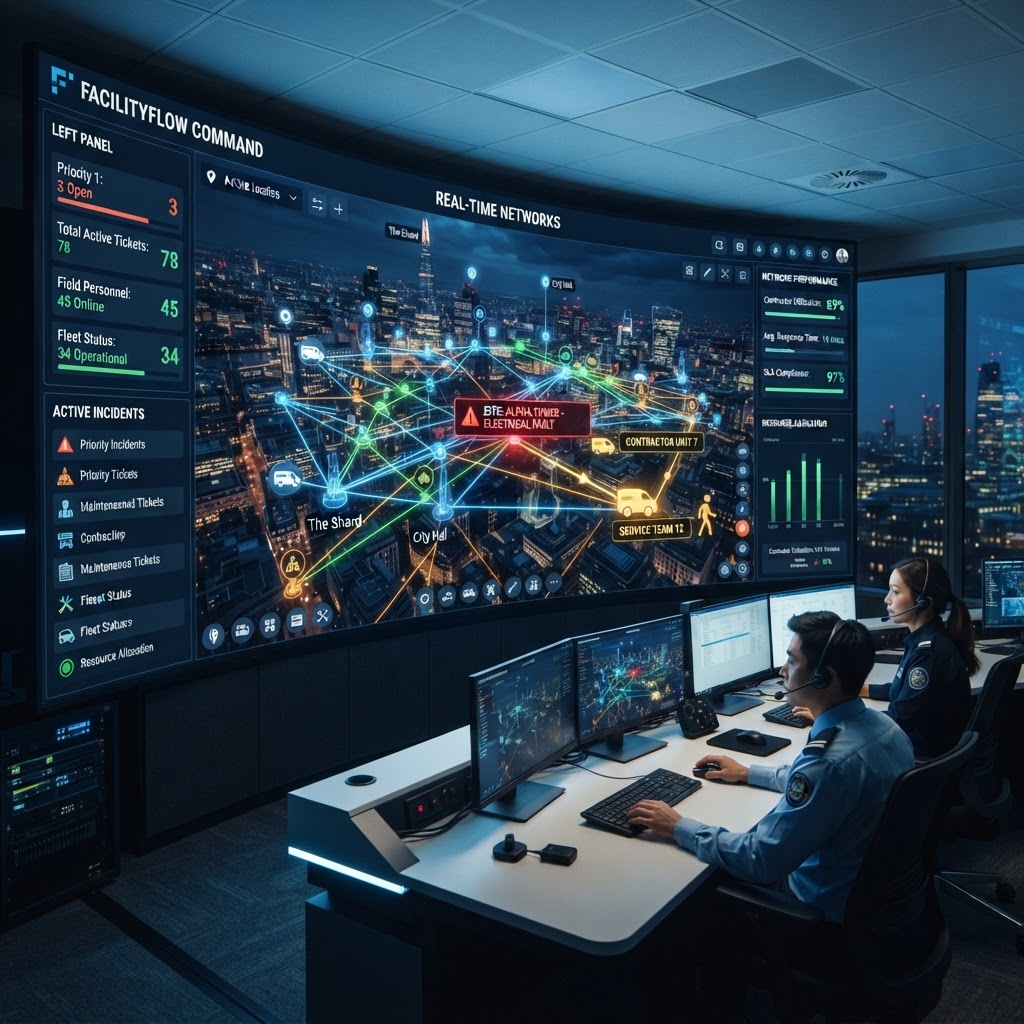
Revolutionizing Field Service: How Zero-Integration Sourcing is Transforming Contractor Management
The launch of immediate-access contractor platforms like Dispatch Direct is eliminating technical barriers for businesses looking to scale field operations rapidly. By leveraging pre-qualified networks, companies can now bypass complex IT infrastructure to deploy professional technicians on demand.

The Digital Frontier: How Landlords Can Combat Escalating Rental Scams
The rental market is seeing a surge in sophisticated fraudulent activity, putting property owners at risk of significant financial and legal turmoil. By leveraging integrated management technology and rigorous verification protocols, landlords can safeguard their investments against these evolving threats.

The Predictive Paradigm: How AI is Reshaping Facility Management
AI-driven predictive maintenance is transforming how commercial buildings operate by shifting the industry away from costly reactive fixes toward proactive optimization. Organizations are increasingly leveraging smart technology to prevent equipment failure and significantly enhance operational ROI.
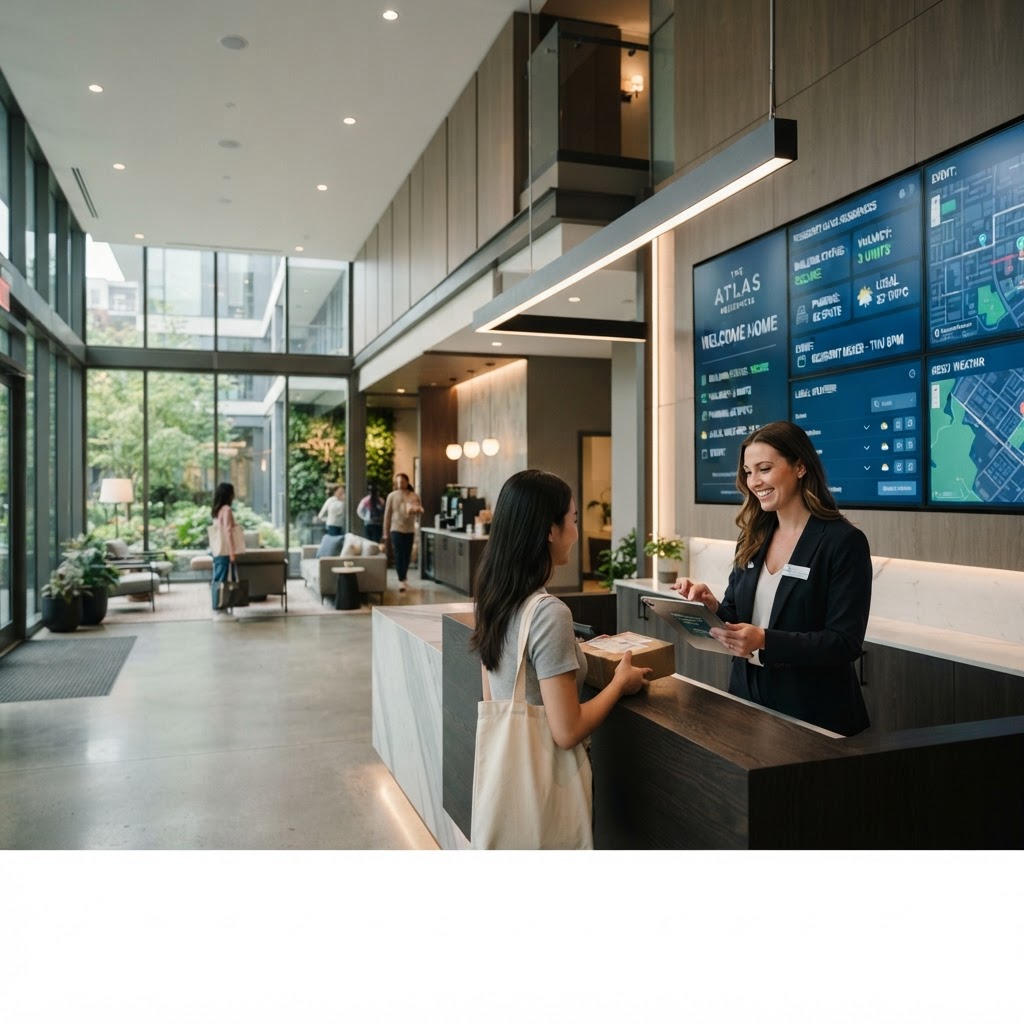
The Experience Revolution: How AI is Redefining Property Management in 2024
Property management is shifting from a location-centric model to an experience-first approach as data shows 43% of renters are likely to move within a year. Industry leaders are now leveraging AI-powered platforms to streamline maintenance and offer financial flexibility to boost long-term retention.
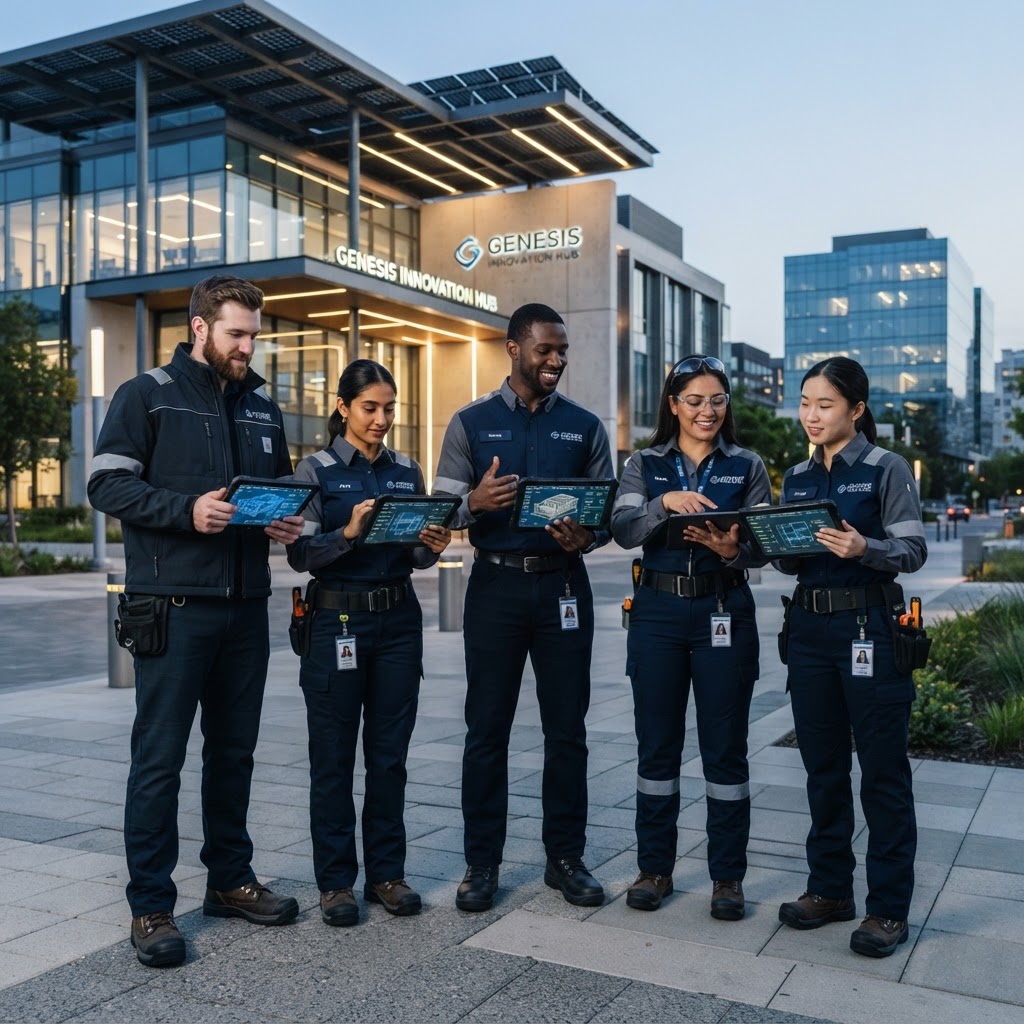
The Trade Renaissance: Why Gen Z is Redefining Career Success
Recent data reveals a staggering 11.4% year-over-year surge in trade school enrollment as Gen Z turns away from traditional university paths. This shift is fueling a vital workforce transformation across the 64 facility trades essential to the global economy.
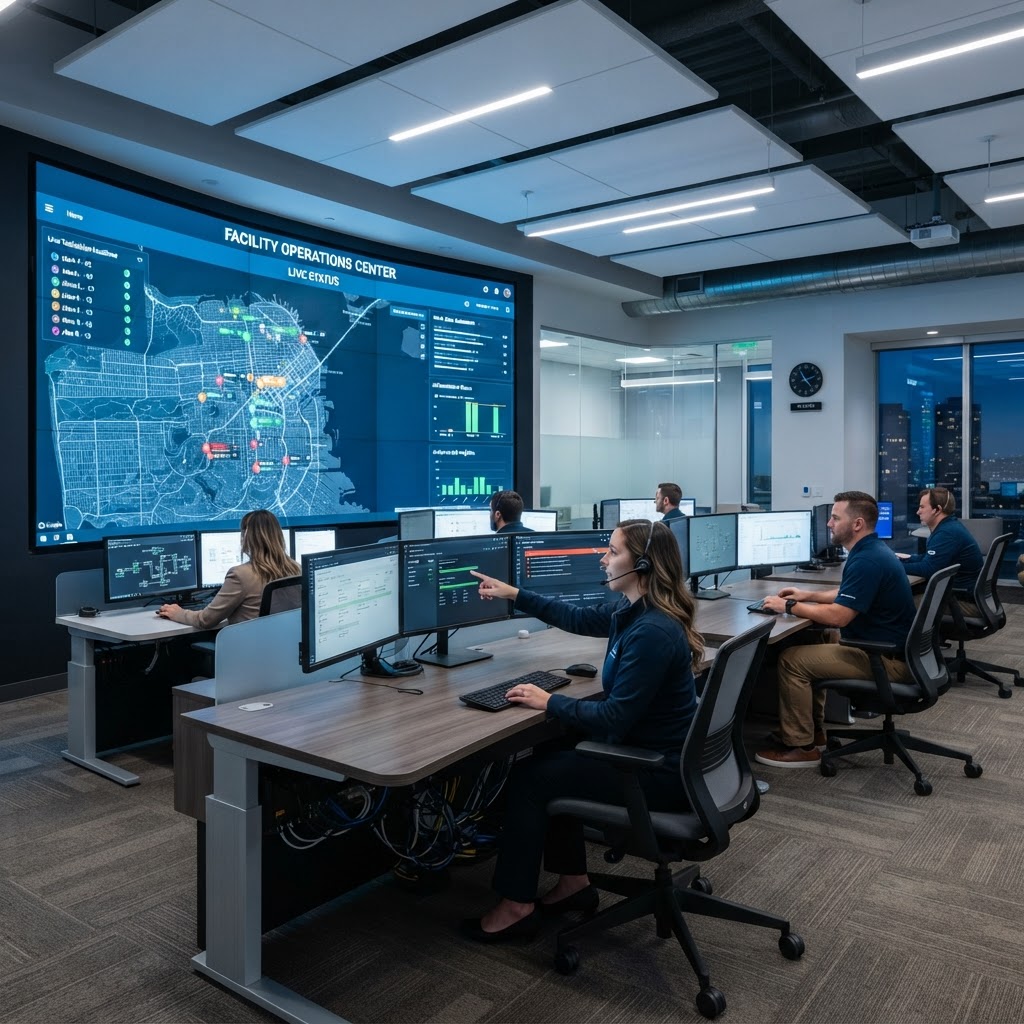
Scaling Field Operations: Why Zero-Integration Platforms are Revolutionizing Contractor Management
The launch of new, streamlined dispatch solutions is enabling facility managers to tap into nationwide contractor networks without the burden of complex IT integrations. This shift offers a significant competitive advantage for businesses looking to scale rapidly while maintaining strict operational quality.
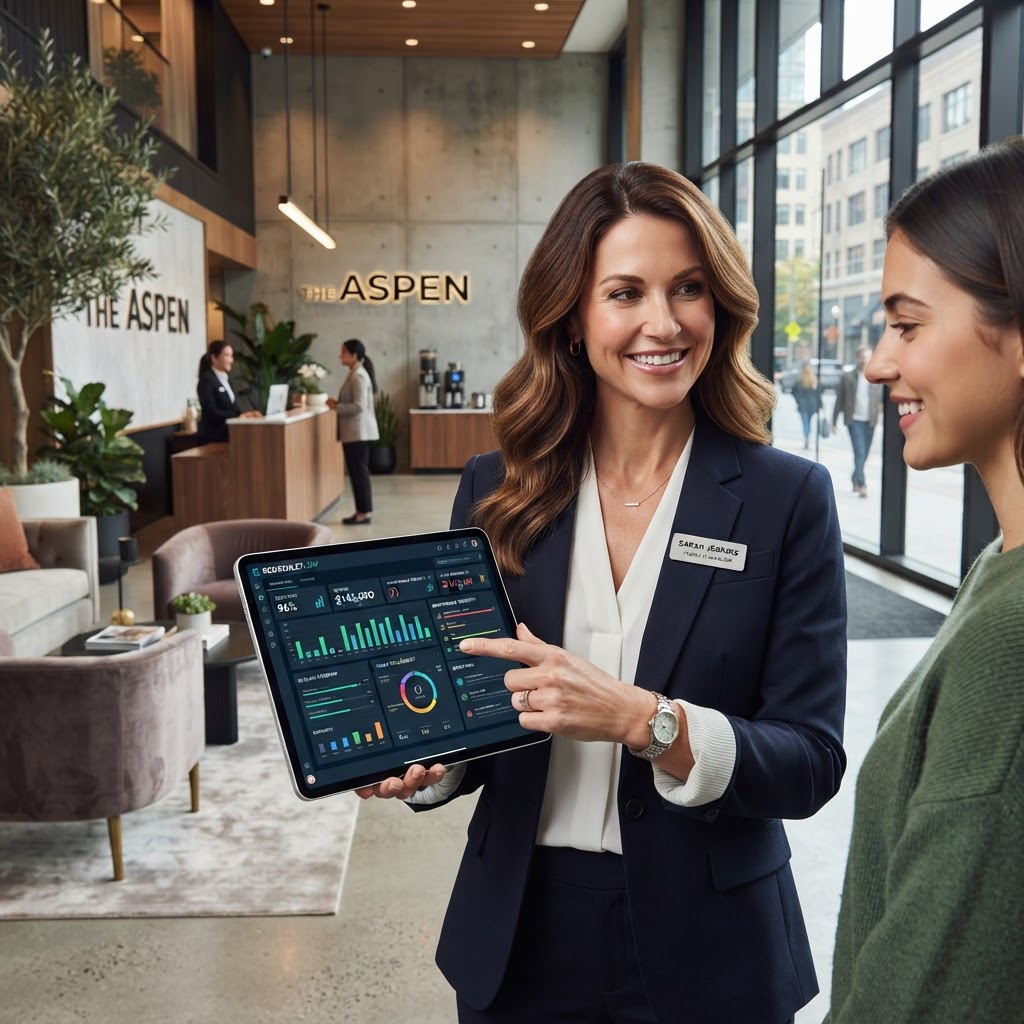
Navigating the New Rental Reality: How Landlords Can Pivot in a Competitive Market
As the U.S. rental market experiences a historic shift toward a renter-friendly landscape, property owners are finding that traditional management strategies require a modern upgrade. With supply at record highs, staying competitive now demands both creative concessions and advanced facility management.
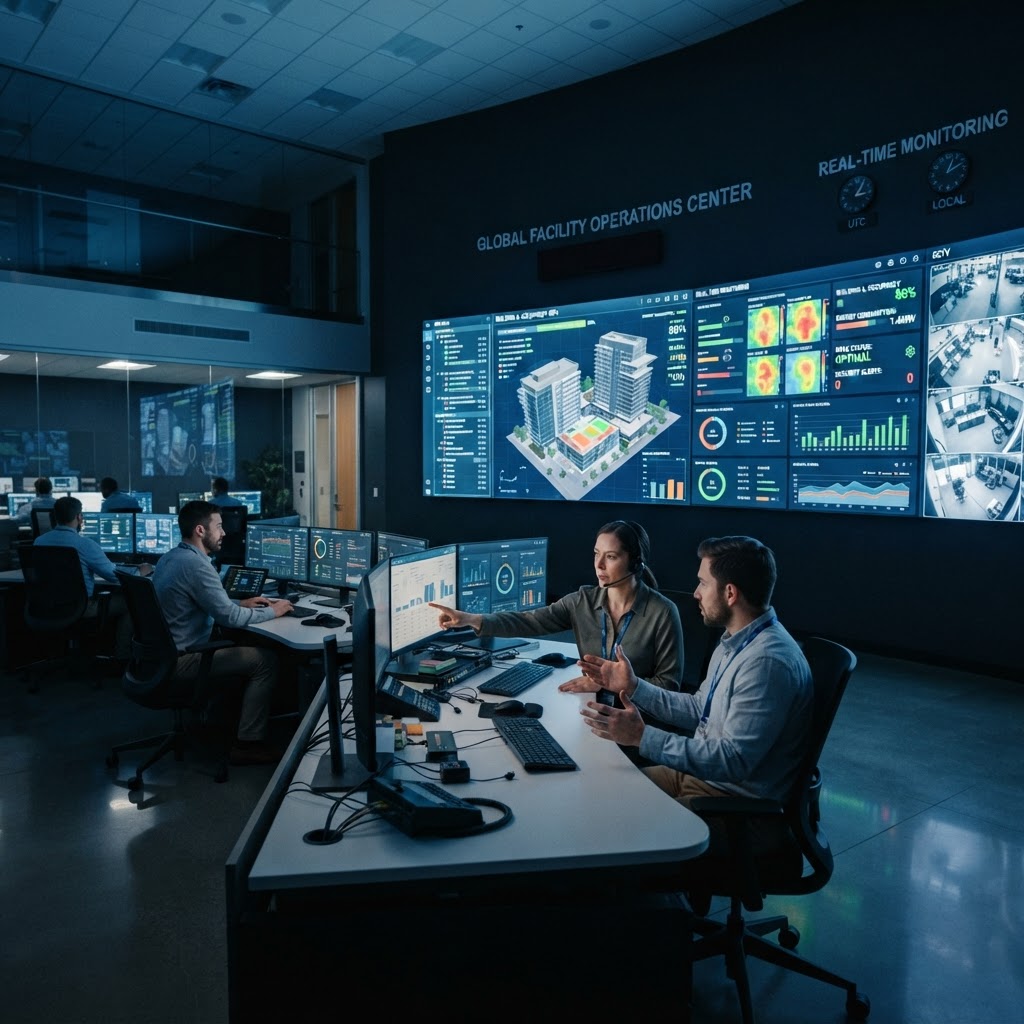
The Predictive Paradigm: How AI-Driven Analytics are Reshaping Facility Management
Facility managers are increasingly adopting AI-driven predictive maintenance and energy analytics to reduce operational costs and enhance asset longevity. By shifting from reactive to proactive strategies, organizations can achieve significant energy savings and minimize costly system downtime.

The Institutionalization of Single-Family Rentals: Why Professional Management is Becoming the New Standard
The proportion of professionally managed single-family rental homes has surged as investors grapple with rising regulatory complexity and operational maintenance demands. This trend signals a fundamental shift toward tech-integrated management strategies that prioritize efficiency and long-term asset health.